Decision support, not a product catalogue
Understand the solution before you commit.
Practical, carefully sourced guides to selected Microsoft solutions: what they do, who they serve, what to check first and where the boundaries are.
Explore by relevance
Solution guides
22 reviewed guides
Online24x7 field notes
Find a solution guide
Search full guide text, then narrow the set by product, industry, guide type or documented lifecycle.
22 results
Showing 1–9 of 22
Banking customer intelligence is retired: assess your replacement path
Why the legacy banking intelligence tile is not a new-install recommendation, and how to assess data, segments and dependent workflows before migration.
Business Central virtual tables: integration is not data synchronization
Understand live Dataverse access to Business Central, licensing and security boundaries, including the separately documented Power Pages preview scenario.
Common Data Model for Nonprofits: connect the data and plan stewardship
What the nonprofit foundation models, how it differs from a finished app, and what Microsoft’s February 2027 support transition means for your organization.
Customer Insights – Journeys events: registrations, sessions and follow-up
Understand event records, registration and attendance workflows, while separating current Journeys capabilities from historical marketing-package names.
Used with permission from Microsoft.
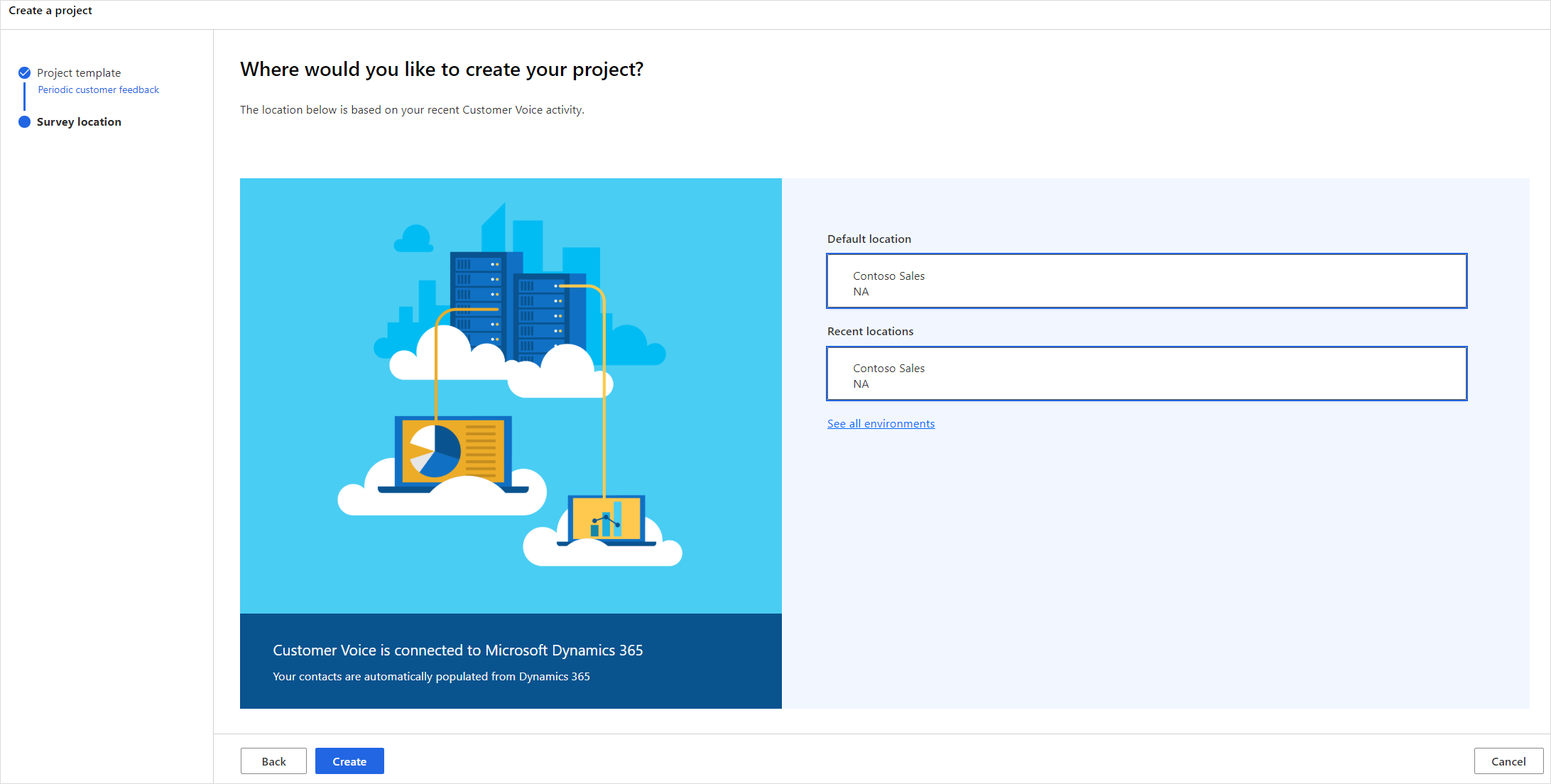
Dynamics 365 Customer Voice: connect survey feedback to an operational response
Understand projects, satisfaction metrics, environment selection and the flow activation needed to turn feedback into a controlled business process.
Dynamics 365 healthcare accelerator: deprecation and migration boundaries
Interpret the old Healthcare Accelerator tiles correctly and plan a tested transition rather than deploying an unavailable legacy package.
The original Financial Services Accelerator: legacy models and current choices
A clearly labelled historical guide to the old accelerator, its banking entities and the difference between old packages and today’s industry portfolio.
Financial-services onboarding essentials: interpret packages before implementation
How to assess onboarding application foundations, loan data and sample packages without confusing an archived release plan with current availability.
Used with permission from Microsoft.
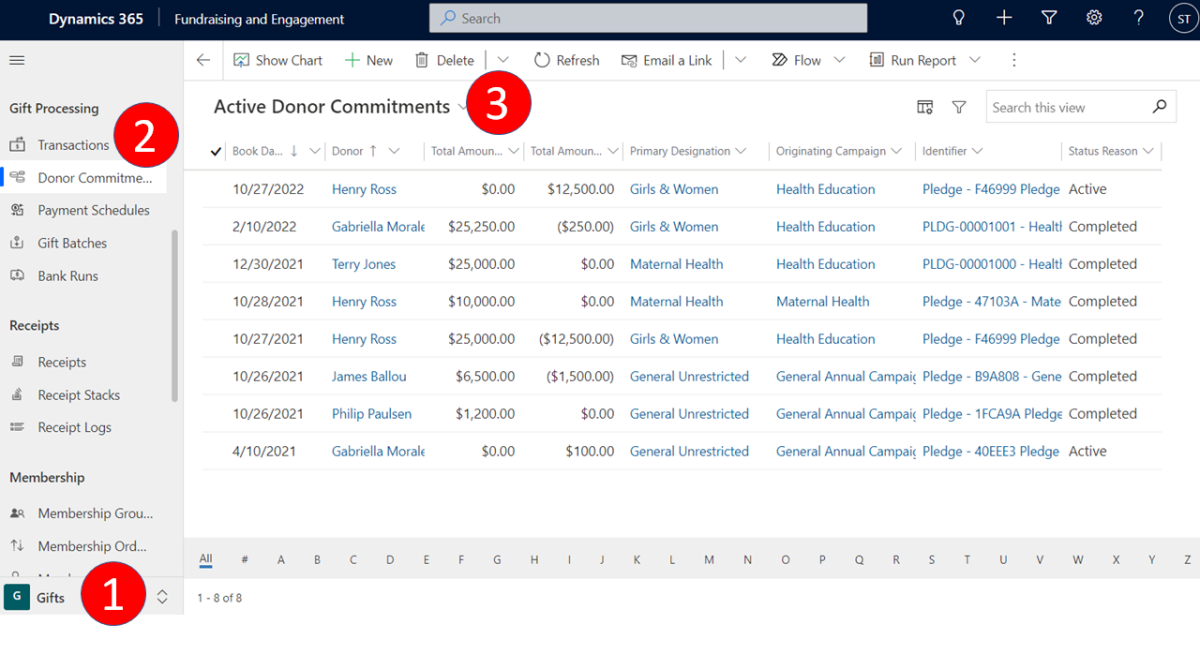
Fundraising and Engagement: prepare for December 2026 support retirement
Understand the existing gift-processing workflow, protect donor history and distinguish this retiring Dynamics solution from the separate Fundraising template.
All articles A–Z22 articles
- Banking customer intelligence is retired: assess your replacement path
- Business Central virtual tables: integration is not data synchronization
- Common Data Model for Nonprofits: connect the data and plan stewardship
- Customer Insights – Journeys events: registrations, sessions and follow-up
- Dynamics 365 Customer Voice: connect survey feedback to an operational response
- Dynamics 365 healthcare accelerator: deprecation and migration boundaries
- Financial-services onboarding essentials: interpret packages before implementation
- Fundraising and Engagement: prepare for December 2026 support retirement
- LinkedIn Sales Navigator in Dynamics 365: controls, matching and licences
- Loan tracker and sample onboarding portal: retirement and dependency review
- Microsoft Automotive Accelerator: vehicles, test drives and migration decisions
- Microsoft Education Accelerator: data model, campus workflows and support checks
- Microsoft for Healthcare: choose the capability, not a universal accelerator
- Microsoft Fundraising template: capabilities and the 2027 partner-led transition
- Microsoft Grant Management: request-to-award workflows and support transition
- Microsoft Intelligent appointments: deprecation and scheduling alternatives
- Microsoft Outcome Management: programme evidence and the 2027 transition
- Microsoft Teams and Dynamics 365: collaboration, meetings and access boundaries
- Microsoft Volunteer Management: recruitment, shifts and the open-source transition
- Retail banking data model: relationships, holdings and integration boundaries
- The original Financial Services Accelerator: legacy models and current choices
- Unified client profile for wealth management: what the historical design includes
All 22 guides: complete directory index
- Microsoft Education Accelerator: data model, campus workflows and support checks
- Microsoft Automotive Accelerator: vehicles, test drives and migration decisions
- Banking customer intelligence is retired: assess your replacement path
- Microsoft Intelligent appointments: deprecation and scheduling alternatives
- Loan tracker and sample onboarding portal: retirement and dependency review
- The original Financial Services Accelerator: legacy models and current choices
- Financial-services onboarding essentials: interpret packages before implementation
- Unified client profile for wealth management: what the historical design includes
- Common Data Model for Nonprofits: connect the data and plan stewardship
- Fundraising and Engagement: prepare for December 2026 support retirement
- Microsoft Fundraising template: capabilities and the 2027 partner-led transition
- Microsoft Grant Management: request-to-award workflows and support transition
- Microsoft Volunteer Management: recruitment, shifts and the open-source transition
- Business Central virtual tables: integration is not data synchronization
- Microsoft Teams and Dynamics 365: collaboration, meetings and access boundaries
- LinkedIn Sales Navigator in Dynamics 365: controls, matching and licences
- Dynamics 365 Customer Voice: connect survey feedback to an operational response
- Customer Insights – Journeys events: registrations, sessions and follow-up
- Microsoft for Healthcare: choose the capability, not a universal accelerator
- Dynamics 365 healthcare accelerator: deprecation and migration boundaries
- Retail banking data model: relationships, holdings and integration boundaries
- Microsoft Outcome Management: programme evidence and the 2027 transition
Product availability, licensing and rollout can depend on geography, tenant configuration and Microsoft’s current terms. Use the linked primary sources and validate details for your own environment.